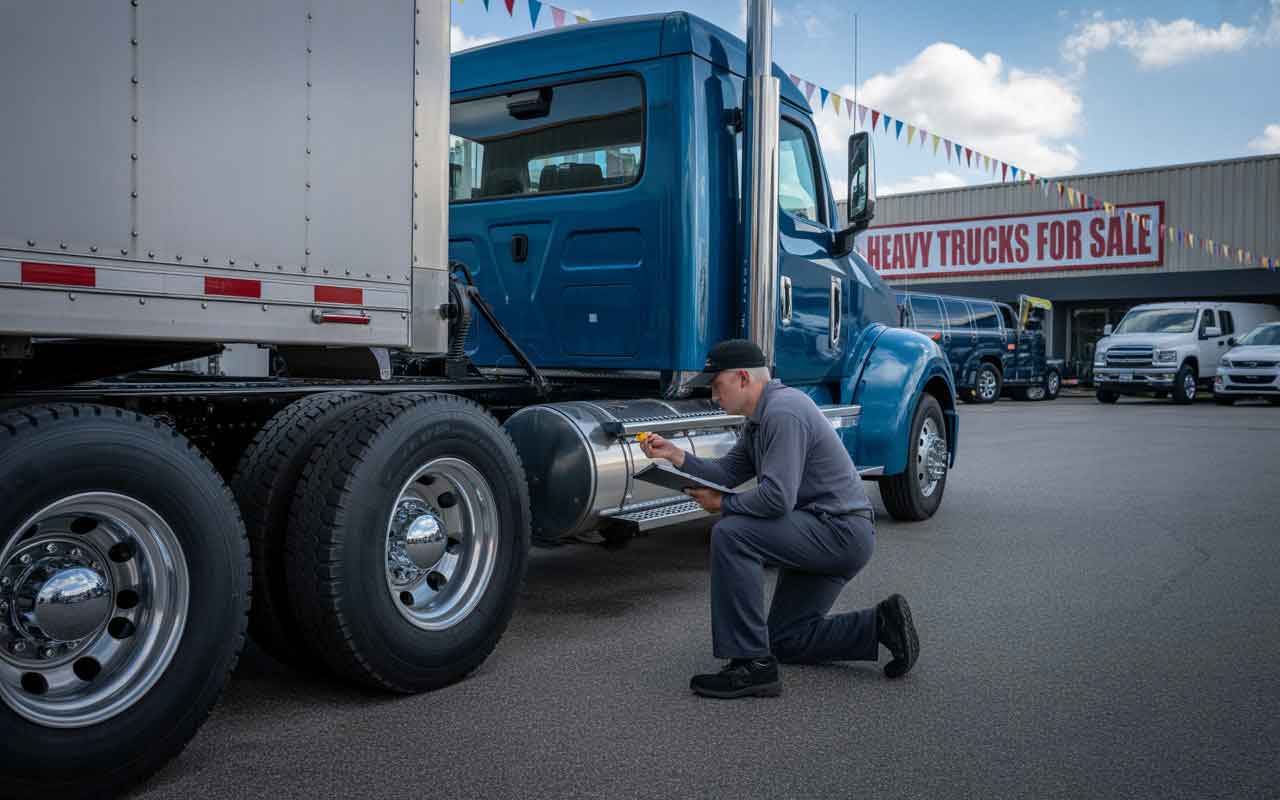
Buying a used heavy truck requires due diligence at every stage—from the initial research to the moment you drive off the lot. According to Federal Motor Carrier Safety Administration data, over 70% of used commercial vehicle purchases happen through private sellers or independent dealers, where buyer responsibility carries more weight than it does at franchise operations.
The inspection and pickup phase is where many deals go sideways. Spending time upfront to plan this process prevents expensive mistakes and wasted trips.
1. Confirm Key Details to Avoid Costly Mistakes
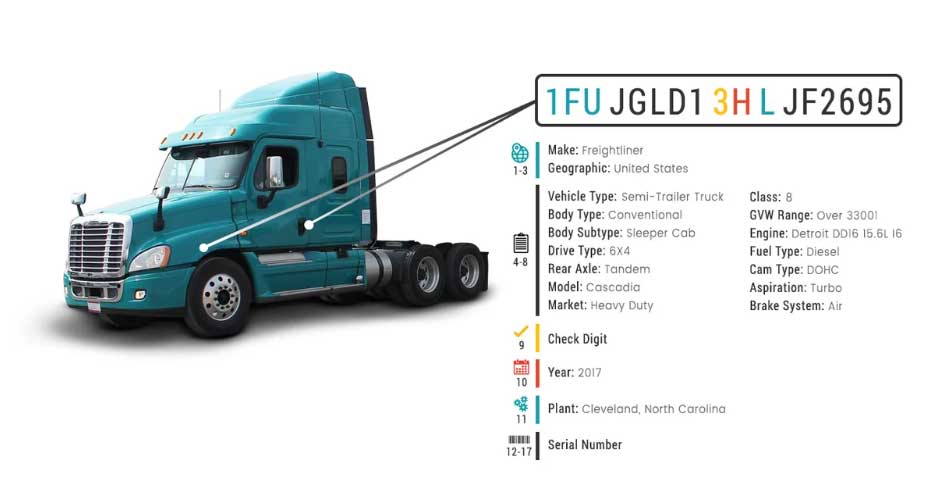
Before scheduling an inspection, verify three critical pieces of information: the truck's exact location, its VIN, and the title status. NMVTIS reports show that title issues and undisclosed liens account for a significant portion of post-purchase disputes.
Request service records from the seller and confirm lot access hours or gate codes if the truck is stored at a facility. Cross-reference the VIN stamped on the truck's frame, door jamb, and dashboard against the title and any maintenance documentation. Mismatches at this stage are red flags that warrant further investigation.
Once the basics check out, map your route with commercial vehicle restrictions in mind.
2. Plan Your Route with Truck-Specific Considerations
Driving a heavy truck is totally different from driving a car. The American Transportation Research Institute (ATRI) looked into why trucks get delayed and found that almost 30% of the time, it's because of things like unexpected detours or stops at weigh stations.
Ever used a regular GPS and ended up stuck at a low bridge or on a road your truck wasn't allowed on? It's a common problem for truckers.
To get around problems like this, a lot of drivers just use navigation apps specifically for trucks. These tools keep you updated with what's happening right now, showing you bridge heights, where weigh stations are, and spots where truckers can park.
Taking 10 to 15 minutes to map out your route, keeping these things in mind, really helps you sidestep unexpected issues. It means less wasted time and a lot less frustration, which is good for reducing downtime. This straightforward approach provides a simple, direct path.
So, once you've got your route figured out, the next thing is to pack the best tools. You want things that really make your inspection complete and smooth.
3. Pack a Practical Inspection Kit
A good inspection can really change things, making your sale go smoothly instead of getting you into an expensive surprise.
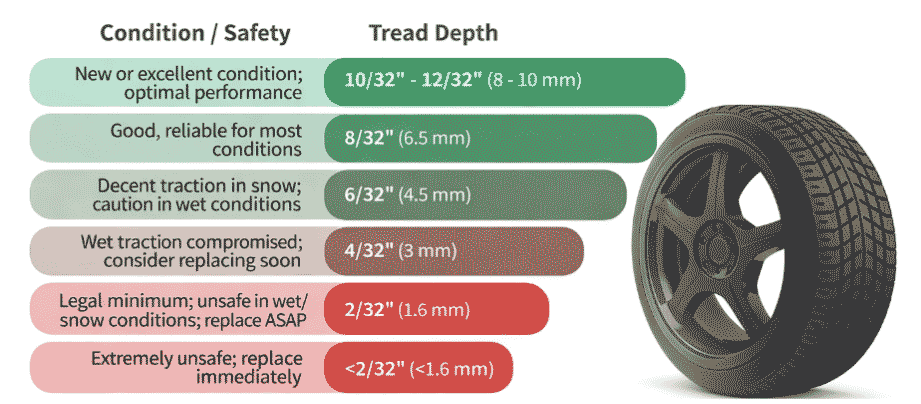
You’ll want a few key things: a flashlight to see into those dark, tricky spots, an inspection mirror to peek under the truck’s chassis, and a tire tread gauge (remember, the Department of Transportation suggests front tires have at least 4/32” of tread).
Finally, a camera or your smartphone will make a great tool to snap some pictures of what you find, because you will want to remember what you saw in the dark places.
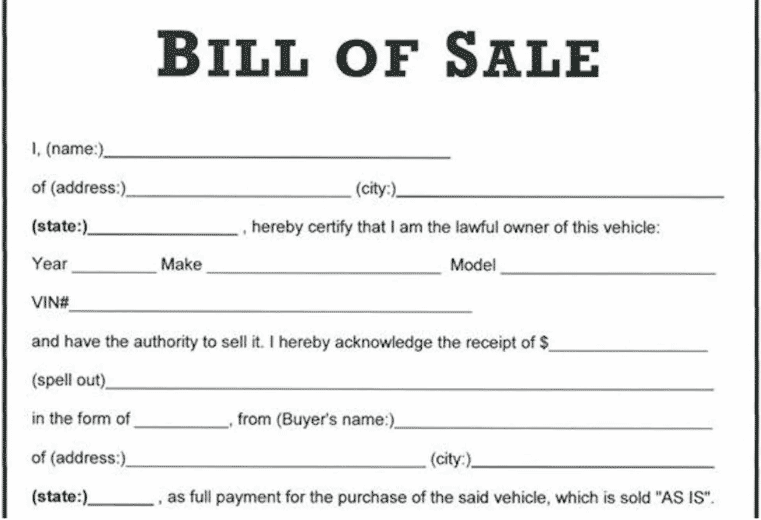
Remember to bring either a printed or digital bill of sale template to keep all the transaction details clear. Having photos and videos with timestamps can really help you out if there are any issues after a sale.
Being equipped and ready is key, you know? Just follow a good, consistent plan for checking things, and you'll hit all the important spots.
4. Run a Consistent Inspection Flow
Start with an exterior walk-around, examining the frame rails and welds for cracks or corrosion. CVSA roadside inspection data consistently shows frame cracks as a leading reason for out-of-service violations.
Inspect suspension components, spring hangers, and u-bolts for wear or damage. Check tire condition and tread wear patterns—uneven wear indicates alignment or suspension problems that will cost thousands to correct.
Conduct a cold engine start. Listen for unusual noises, watch for excessive smoke, and note any rough idle. Check for oil or coolant leaks around the engine, hoses, and connections. Take the truck for a test drive, paying attention to steering response, brake performance, and transmission behavior. Hard shifts or slipping gears signal transmission trouble that can run $5,000-$15,000 to rebuild.
Confirm the VIN matches across all documents. Any discrepancy should halt the transaction until resolved.
Completing the inspection is only half the process—proper paperwork and logistics close the deal.
5. Manage Paperwork and Permits Carefully
Having a clear, written bill of sale that includes the VIN, odometer reading, sale price, and any repairs you both agreed on? That's really your best legal protection. The FMCSA says you should keep those records for a minimum of one year after selling something.
If you’re planning on driving your truck right away, it’s a good idea to look into what your state requires regarding temporary registration or permits. The American Trucking Associations points out that a common reason for fines in transport is having the wrong permits or old registrations.
Before you head out, make sure to check the weigh station rules along your proposed route. It’s a good idea to know what to expect, and you’ll save yourself a lot of headaches this way. PrePass and Drivewyze give you bypass options, but what you need to be eligible for them changes from state to state.
6. Save Nearby Service and Towing Contacts
Mechanical issues can surface unexpectedly, even after a thorough inspection. The Commercial Vehicle Safety Alliance recommends identifying repair and towing resources before leaving the pickup location.
Before departing, locate at least two nearby truck repair shops, tire service centers, and heavy-duty towing providers. Save these contacts in your phone and navigation system for quick access if problems arise.
Conclusion
A successful used heavy truck inspection and pickup depends on preparation, systematic evaluation, and attention to detail. Verify documentation upfront, plan your route around commercial vehicle restrictions, bring the proper inspection tools, and document everything. Handle the paperwork correctly and line up emergency contacts before you leave the lot. This approach minimizes risk and sets you up for a smooth transaction.
Ready to start your search? Browse our inventory of used heavy trucks to find the right vehicle for your needs.